Showing posts with label MS #1. Show all posts

Tuesday, May 19, 2015

Post-Manuscript-Completion Thoughts (HESPERIA)

This is VERY overdue. Like, five months overdue. But I remembered that I had a post like this for my NA contemporary IF LIFE WERE FAIR, and I think it's a nice thing, being able to read back on your thoughts about a manuscript.

So here we go. Here are my post-manuscription-completion thoughts for HESPERIA, my YA Fantasy.

Some stats:

Started: sometime around November of 2013
First draft completed: November 2014
Number of times dropped: beyond what I can count

Back when I wrote this post for ILWF, my manuscript numbering system was already starting to get slightly unruly. I considered ILWF my third manuscript completed ever, but I also considered it my second manuscript completed with the goal of publication in mind (as I've mentioned elsewhere, I sent out one query for MS #1 completed ever before realizing that the MS just wasn't anywhere near publishable). So what is HESPERIA, now? MS #4? Or MS #3?

I think I'm going to stop referring to my novels by the numbering system. Maybe every now and then, I'll refer to HESPERIA as my fourth MS ever, but it's starting to get a little hard to keep track of, especially when I think about how I began this journey of mine wondering if I would even be able to churn out a second, let alone a fourth, completed novel.

HESPERIA was definitely a hard one to write. Stylistically, it was different. I hadn't written in first person past in a while, and switching away from the present tense to the past was a bigger transition than I expected. I really believe that the tense you write a novel in makes a big deal. It just gives the story a different feeling, and while I knew I wanted to give first person past a serious try, I wasn't quite sure. Even when I've gotten to chapter 20, I was still playing around with the idea of switching the tense and person-narration of the whole thing. I wrote some chapters in first person present. I even wrote some chapters in third person past. Ultimately, my initial choice--first person past--was the one I stuck with, and I am glad I did because it's one of the things that sets HESPERIA apart from my other novels in feel and means of narration.

Plot-wise, I believe it was more complex that anything else than I've written so far. I'm a very loose outliner, so while I knew there were going to be twists, I didn't expect twist after twist to pop up. There were times where I'd just be on the treadmill in the gym (hah! The days when I still exercised...) and I'd start thinking about how a twist was going to work out, how to even build up to that twist so that it wouldn't seem like I was waving my writerly wand and slapping you in the face. I started to listen to my writing playlist on repeat while doing my miles, just so that I could think about my plot in a better ambience (like, to the sound of epic Two Steps From Hell music rather than the usual gym-sounds of dying people, including myself).

Character-wise, it initially had one of the largest casts I'd ever tackled. Through the drafts, some characters have gotten cut here and there, but there are still a large number of characters, and not just ones that I name-drop or introduce in a couple scenes (as was the case of INGENICIDE and ILWF). No, most of these characters had their own backstories and they wove in and out of the narrative. At the same time, I got really attached to all my characters, which is a surprise. Normally, I'm very attached to my main character and the love interest, and maybe a side character or two. But this time around, I just knew so much about my side characters that I couldn't help but root for them, too.

Luckily, the world came pretty easily to me. I was very inspired by Chinese stories and legends, and Deviantart also provided a lot of the artwork that inspired my visions of the setting.

Mechanical struggles of writing aside, my drafting of HESPERIA came at a time in my life when a lot of things were changing for me. Thus, I had a lot of dry spells, and there were times when I seriously wondered if I'd ever be able to finish the novel. I loved the story and the characters, but as you've seen, it was one of the hardest novels I've attempted to write, and that didn't help how I was generally having a tough time writing. Even when the mood struck, it wasn't one of those stories where I could randomly plant my butt in a chair and write for an hour. It required a lot of thinking and just figuring out how things were going to pan out.

That's why at one full year, it's the novel that has taken the longest to write (and it's also my longest novel, with draft 3 clocking in at 96k). At the same time, I venture to say that it's also one of my cleaner drafts in terms of character development and *most* plot elements. I still had to do some heavy revisions in parts, but overall, I came out of draft #1 pretty satisfied with Hesperia's character arc and her interactions with other characters. Lack of satisfaction in this area factored into my decision to pull ILWF from the query trenches, so I was pretty scared that was going to happen again.

And something else I've noticed? I've improved as a writer. After four novels, this might come as a given, but it's taken a long time for me to accept. I'm with my writing every day, and just like it's hard to notice changes in yourself until someone who hasn't seen you in a while comments, it's hard for me to see sometimes how I'm gradually getting better.

But I am. In a way, HESPERIA was sort of a turning point for me--I've never given up on a novel that I've seriously committed to in terms of finishing, but this one time I found myself on a precipice. I didn't fall, and now I'm ready to tackle my fifth novel.

*Thinking about HESPERIA makes me sort of sentimental. It really couldn't have happened without the support I've received from all my writerly friends. Thank you, Rivka and Deborah, for taking the time to read some of the rougher stuff and being excited about the work. Thank you, Molly, for honing it into the draft that it is today. Thank you to the boyfriend who didn't run off in fright when I asked him if he could  read the rough manuscript to me aloud (and thanks for putting up with all those conversations regarding the novel).  

And lastly, thank you, Anne, for sticking with the story despite the month's of silence and being the kindest, most generous cheerleader you are. I churned out some of those chapters thinking this might be the last--I can't write another, but then you would demand more, and I really couldn't turn you down.

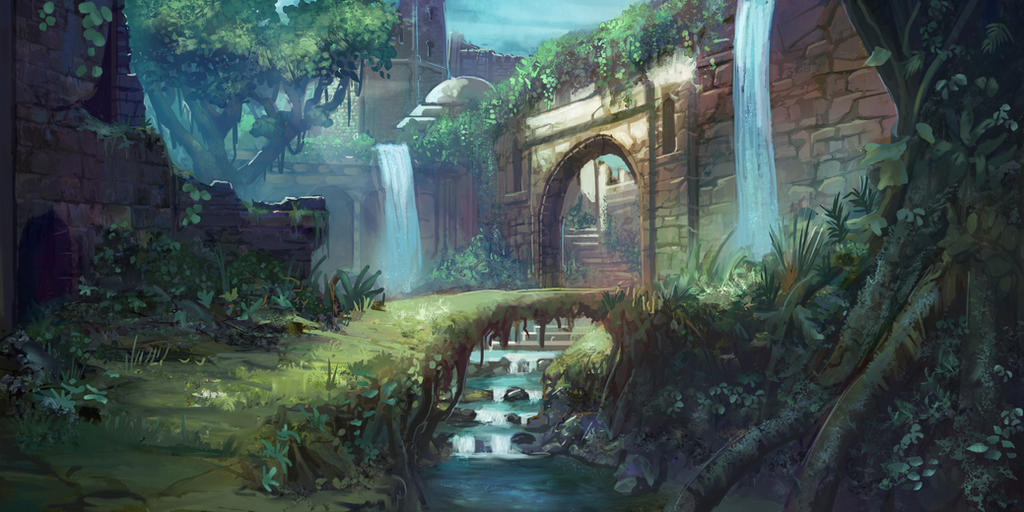
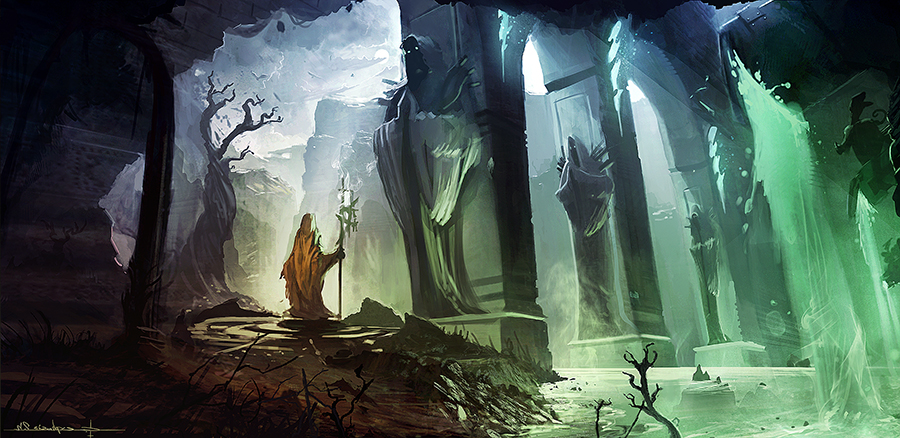
With that, I'll finish with some of the art that inspired some of the scenes in the novel:
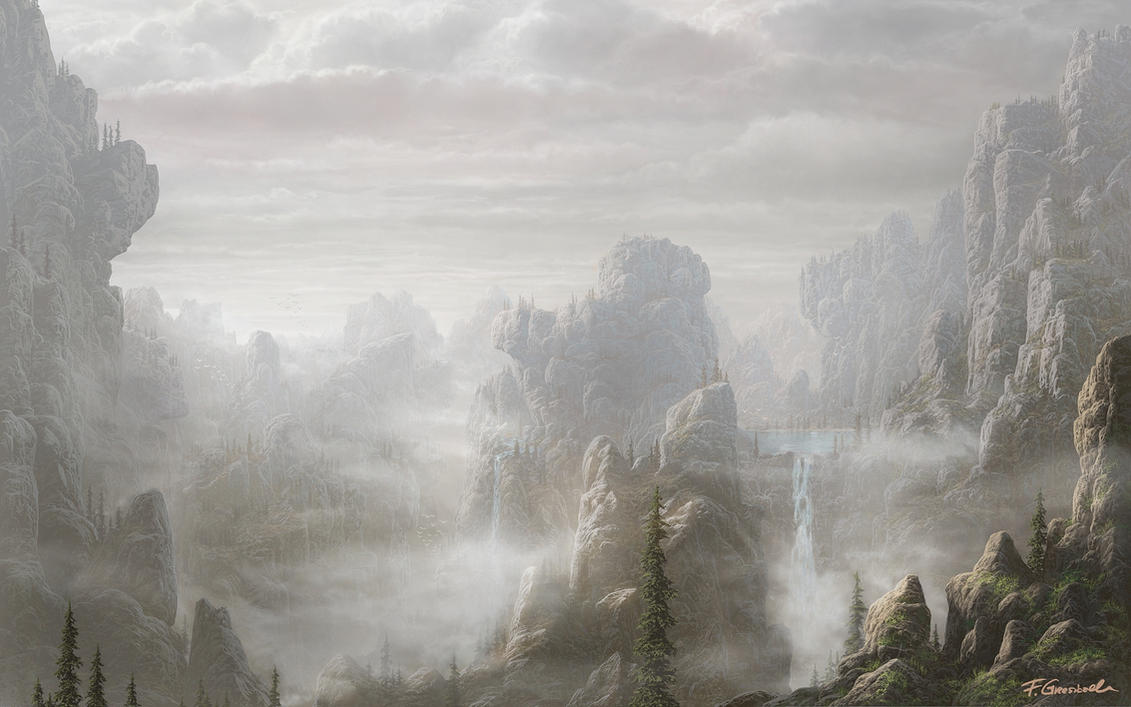
by Fel-X
by pictsy
by TylerEdlinArt
by JJcanvas
by Exphrasis


Saturday, April 6, 2013

WDC Part 1


Pitch Slam

Alright, let's get right to it. Sitting in the West Metropolitan for the last speaker of my one day conference adventure (the day absolutely flew) as I type this. I had a lot of notes in my bag that I will type up later and post, but for now we'll review the highlight of the day (for many. Or the nightmare of the day. Which I was beginning to think would be my case):

THE PITCH SLAM

Brief breakdown to a pitch slam, for those who may not know what it is (me a month ago):
  • Huge conference room
  • 50-60 agents sitting behind tables
  • Chairs in front of these table for you, the writer
  • Lines. Many lines.
  • 3 minute intervals--90 seconds for you to pitch, 90 seconds for the agent to respond
  • Passing of business cards
 Add all of these elements and you get a great opportunity to wow potential agents with your verbal pitching skills, dazzling charisma, and witty sense of humor**

**And if you don't have any of these skills (me), then you can load up on free coffee prior to the event and let the buzz distract you from your nerves.

Here's what I learned after recovering from over-dosage of 90 minutes of pure exhilaration. Or Frenzy. However you'd like to view it:

1. Writing all fancy and nice is...great. But when you memorize fancy and nice writing, you end up sounding too polished and your voice kind of sinks into a monotone and you start worrying oh no, did I memorize this part wrong? Did I skip a word? Another thing about memorizing your pitch is that you end up talking in one big, fluent stream. Which is great. But it's hard for an agent to break into that stream and maybe start up some meaningful conversation of let's-get-to-know-each-other or ask any questions about your story. I'll confess that I didn't realize the difference between a pitch and a query until last night. Then I was frantically scrambling to put together my pitch, bugging my CP at 10PM to look at two versions (Thanks, Deborah!). I recited it about forty times before I went to bed, forty more times on the bus ride. But ultimately, after pitching to two agents that way, I realized that it wasn't working. So I forgot about the memorized pitch and just went with it, tried to tell the story the best I could and as naturally as I could. Writers are still humans after all, not pitch generating machines.

2. Be flexible with your agent list. Last night, I finished up my research (stalking) and finalized my Top Ten List of agents to whom I knew I wanted to pitch. But let me tell you that the minute you walk into those pitching rooms, it's chaos. The mere line to the room wound up and down the hallways of the hotel. Once you're in that conference room, you have to be expedient with your time. Quickly, I narrowed down my list to my top three and promised myself that no matter what, I would get to those agents. The rest of the time, however, I was vigilantly searching for the shorter lines. The agent packet was my best friend. If a line was short and the agent repped YA, then I'd hop in. I didn't get all of my top ten, but I got to more agents than I would have gotten to had I stuck to my original plan.

3. It get's better. It does. I'd be the last person to say this because I honestly wanted to crawl into a hole after pitching to my first agent--I turned SO red and completely butchered my pitch and had to read it off the paper because I was blanking and my hands were shaking and sweating and I bumped into the table as I rose to get up (Bad, right? Surprisingly, I got the standard request of query+10 pages--maybe she felt a bit bad for me :) ). After that, I walked around in a bit of a daze. Could I do this? Could I go through the same ring of fire six, seven, eight more times? But the fire does go away after you adjust and by the third agent, who was lovely and extremely friendly (the writer before me had finished early so we had time to chat), I felt a lot more confident. I was still nervous before each new agent, but some old-fashioned heart pounding doesn't hurt anyone.

4. Watch out--I stood in line for ten minutes before I realized that the agent was from an agency that I had already pitched. I'm sure that it's not strict like querying, where etiquette dictates that you only submit to one agent per agency, but it'll still be awkward if both of them request material. So don't be like me and waste time standing in a line. Little bumps here and there such as that probably cost me a few agents (though I did get to talk to a writer all the way from Seattle while waiting in that line!).

5. Do not drink too much water before the Pitch Slam. Holding pee is a really, really bad sensation, especially when exacerbated by anxiety. Which also brings me to my point: SIGN UP FOR THE FIRST SESSION IF YOU CAN (if there are multiple pitching sessions). I don't care about the whole "there are too many people" excuse. The rest of the conference will feel like cotton candy and clouds if you can muscle down the harder part first.

Highlights!!!!!

  •   I MET JULIA. The one who introduced me to the whole concept of a writer's conference in the first place. We were standing in parallel lines from each other. It's always to exciting when you meet people whom you interact with online via blog/twitter/email in person :) I also met Mel, writerly buddy of Julia and another all around awesome person. Heck, everyone was super nice at the conference--the speakers, the line-waiters, and the agents. Pretty unbelievable, right? Who knew that the gods of the form-rejection could actually laugh and smile?
  • I actually got materials requested. Here's the boring breakdown of stats:
    • 7 agents total
    • 5 requests
      • 3 standard query+first 10 pgs
      • 1 larger partial of 50 pgs
      • 1 full MS
  • Lastly, the food! Actually, no. The food was kind of eh. But when you've been on your feet for one and a half hours and fidgeting in line and talking a lot, any food will taste pretty good.

    That's all for this post! If you've ever been to a conference, share your tips/advice/success. If not, ask me any question and I will answer!

Monday, March 25, 2013

Lessons From MS #1

Hey lovely awesome people who follow this blog! I'm really sorry that I haven't updated in a while. I've always known that there are a lot of things to juggle as a writer--the drafting itself, the editing, the network/platform building, etc. But now I'm finally feeling the difficulty of managing all of these components myself. And I was never one for juggling :( (There will be a post on the art of multitasking as a writer because it DEFINITELY is an art).

But, as my CP's and other writer friends suggested, I do have a twitter now (do not worry, I will survive!). I probably won't be one of those 24/7 tweeters--I'll mainly be using it to stalk my CP's and look up agents and fawn over authors.

So, I haven't actually had the time to write a new post, but here is one that I've written before, just haven't posted :)

Lessons I've learned from MS #1 (current status-complete and trunked):

1. Don't write too fast

This one is huge for me. Unfortunately, it would be dishonest for me to say that I LOVE editing, that I dream about editing, that I can't wait to finish my story so that I can tear it apart. I know that editing is essential. But it doesn't mean that I like it. Editing is scary. What if I change something that semi-worked into something that completely does not work? What if I realize that a whole chapter, a whole character, a whole scene does not work? What if I realize that the whole book has a weak plot? Editing is like deboning a fish (not that I've ever dbeoned a fish, but I've seen others do it). Removing bones is good. But when I'm faced with removing the whole spine, I waver. You see, the fish falls apart without the spine. When I realized that novel #1 essentially had no plot, I knew I was facing the dreaded spine debonement. I backed away.

For me, momentum is really important. I need to have hope. I need to at least have a vision that in the end, everything will be okay. If I write/spew a mess (and I am VERY good at spewing and being wordy) and then look back at the mess, I tend to lose sight of hope. Then, I can't get my head into the editing. It's kind of like giving critique. The best critique is honest but also delivered in a way that avoids triggering the writer to shut down. The best kind of first draft that I personally find beneficial is one that I took the time to make sure that the basic structure has some shape and is workable.

All first drafts suck but I do cope better with a first draft that is less sucky than super super sucky.

2. Don't be afraid to delete writing

I used to see my writing as gold. Or chocolate. Or insert anything that is valuable. Every single character, word, paragraph I wrote was valuable because I had put in brain juice, time, and tears (okay, not the tears..most of the time). So accordingly, I would be very reluctant to delete any of my writing, even if I knew that it didn't work. Chunks of writing not working is inevitable. No matter how struct of an outliner you are (and I'm not), your plot is going to start to breathe and come to life the more you write. And hopefully, your characters will start to change, develope, grow. That's a good thing. But the bad thing is that scenes that you've written before might not work quite as well. For me, writing is one long road trip. When I look back, I can see the palces where the plot/writing meanders from the best and most concise path. So delete! When you gut tells you to delete, delete. When you delete is up to you. Sometimes, I delete as I go. Just make sure that you don't get caught in a cycle of deleting and rewriting. Delete the extraneous parts and move on or delete and then rewrite and move on. Just keep on chugging. Of course, when you are done you'll want to go back to make sure that your writing and scenes are as tight as possible.

I know I dreamed of MS #1 being the one that might someday be published. Who knows, maybe a few years from now I'll go back to it and rewrite it. But I do remember how disappointed I was when I had the epiphany that it needed major overhauling and how I retreated from writing for a month or so afterwards. I got so hung up over how I felt cheated of time and effort that I forgot that I love telling stories and putting them on paper. As someone who likes to set goals and work toward them, I think I'll always run the risk of experiencing that empty feeling of I can't believe I have to give up. Goals are good, but what I've learned with writing is that although sometimes you don't always get what you expected out of your work, you will always get something. Whether that be a great character or plot that you can revamp or recycle, or a set of lessons, like me, or great friends that you made along the way, there will always be a thing of value to be gleamed from all that you write. It won't always be a book deal, but you won't have wasted your time.

Comment with the lessons that YOU'VE learned from previous/current MS's!

Friday, March 8, 2013

The Next Big Thing Blog Hop

PART 1

SHOUT OUT to my CP, the lovely Deborah Kreiser, for tagging me in this post! If you've read my WIP page, then there is some crossing over, but keep on reading for other goodies.

What is the working title of your book?
INGENICIDE. It used to be called THE ORDOCIDE, but I realized I had a problem when I kept on getting tongue twisted and saying THE ODORCIDE instead. Good rule of thumb for titles: make sure you as an author have no trouble pronouncing the title :D

What is the one-sentence synopsis of your book?
16 year-old Space Manipulator Sibyl Kenschild has only been trained to design the best rooms, but when discontent Normals start massacring the prodigies, she'll have to pull all tricks to survive.

Will your book be self-published or represented by an agency?
Agency or die. Just kidding :) But I really am aiming for getting an agent. Probably agency or shelving for now.

How long did it take you to write the first draft of your manuscript?
I wrote the first chapter in November (didn't do Nanowrimo though because I found that I actually need to take my time to write or else I get a complete, rewrite-worthy mess that it still too daunting for me to handle. Then from November to the end of February I wrote sporadically (I am in a period of my life when I have many high stakes to juggle), finishing after four months with 60k. I know, not impressive :(

What genre does your book fall under?
YA...I really want to call it a socio-political adventure but HAH, there's no such genre. I guess...sci-fi? With the lightest touch of dystopian?

Where did the idea come from for the book?
Many things! I will list them because without lists I am one of the most scatterbrained people you will ever meet.
1. MS #1- I refer to my first novel frequently because I've learned so much from it from all the things that did not work. My writer friends used to always say that I was great at writing description, but never did they comment on my action scenes. I don't blame them--I had no action scenes. Um, MS #1 didn't really have a conflict. Once I got over the grief of shoving it onto the back burner, I told myself that I would surprise myself and my reader buddies. I would write the inciting incident in the very first chapter, keep a tight grip on the pacing, and refrain from describing unnecessary details.
2. My Own Life- Yuck, right? I know, real life is often very boring in comparison to the infinite boundaries of the fiction world (check out my post on Real Life in Fiction). Because of that, you should never be afraid to write what you don't know VICE VERSA you should never confine yourself only to the subjects that you DO know. At the same time, there will always be something magical about the writing that flows out of you when you are writing about a subject that you are familiar with, even if it is just a related emotion or a sensation. For example. I'd basically trained since the age of six to become a professional artist. I drew about 1,000 pencil sketch eggs and many more color studies. I won a national gold for a larger drawing:

My parents spent a lot of time driving me to and from art class. I reckon I spent most of my odd childhood focused on this one skill. Then, high school hit, and I suddenly realized that I loved art, but I didn't LOVE art. I didn't love it enough to actually pursue it as a profession, to take daunting risks, to potentially starve. And for a job such as professional art, you really do need to love it. Otherwise, you will have no fuel for your mad creativity. Anyway, when this epiphany hit, my world turned up-side down. Suddenly, I felt aimless. I felt as if I have wasted so many years and the hopes of my parents. I wondered if there was something wrong with me--maybe I was just hitting a "wall". Maybe this was the hurdle I had to pass in order to unlock my full potential. Maybe I was just being a typical teen, wanted to break out of the path that had been drawn for me and explore. Whatever the reason, I felt like I had failed, and that feeling sometimes still chases me to this day. I keep asking myself: Is it right for me to waste a talent by not seeing it to the very end? So I took this element of "prodigy" and decided to weave it into the core of my story.

That's it for PART 1 of the post (I spewed a bit so I'm breaking it up into 2 parts to make the reading more manageable :D).  One of the best things about the writing community is that everyone is united against the forces of rejection/editing/drafting/writer's block/fill-in-your-choice-of-poison that we all look out for each other. So thank you Deb again for tagging me in this blog hop. Now I pass on the goblet! Go check out these whimsically fantastic writers and I will tell you "I told you so" when they become the next big thing:

Elyse Guziewicz
Avon

KEEP YOUR EYES PEELED FOR PART 2--CASTING AND MORE!